Two Tiers, One Decision
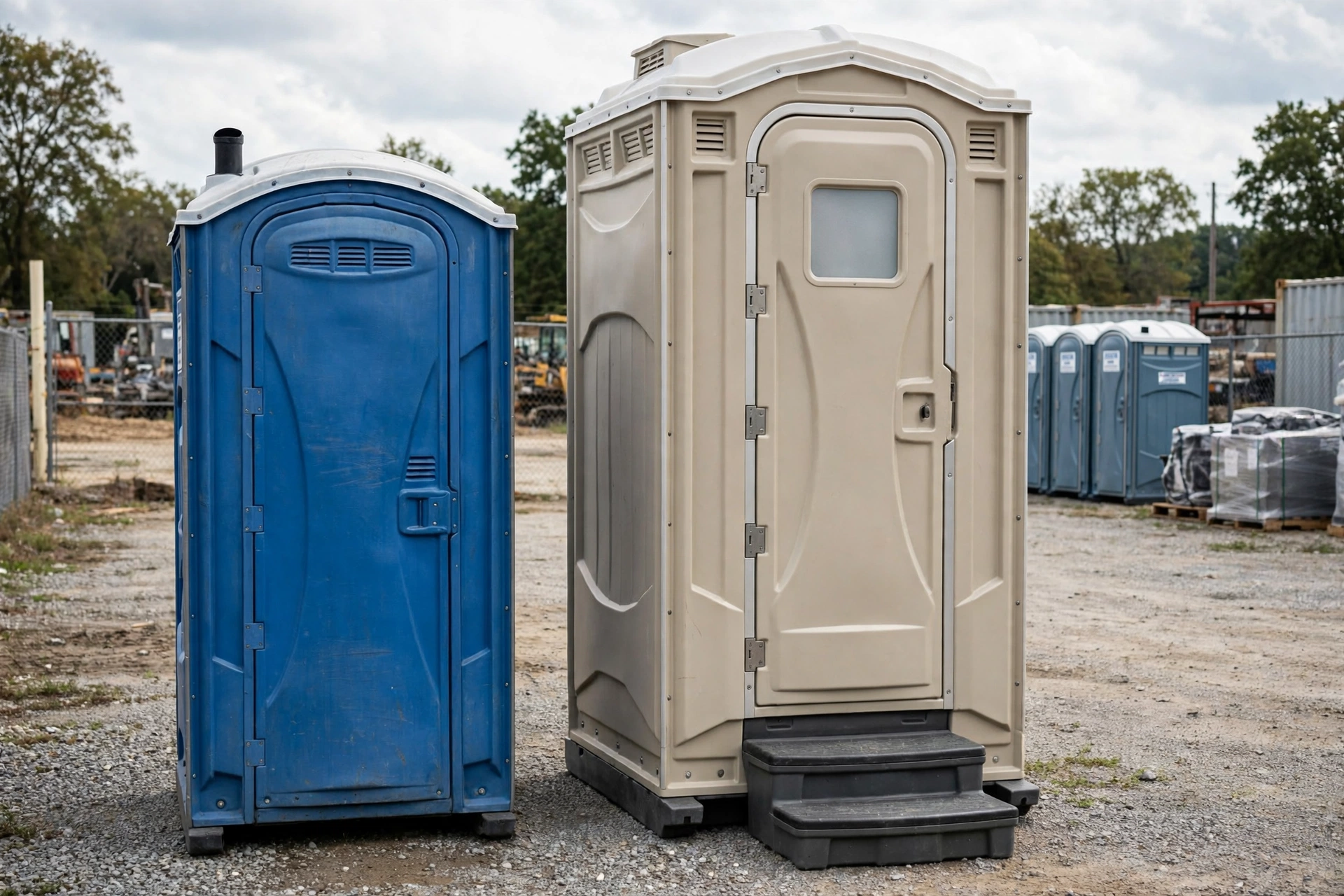
Every portable toilet fleet is built in tiers, and the two you will choose between most often are the standard unit and the deluxe flushable unit. They look similar from across a parking lot. Up close and in use, they are meaningfully different machines — different hardware, different service needs, different guest experience, different quote tier. Choosing between them is not about good versus bad. The standard unit is the backbone of the industry for good reason, and the deluxe unit is not an upsell — it is a genuinely better experience for the occasions that call for it.
This guide breaks down exactly what each tier includes, puts them side by side in a comparison table, and then gets practical: when standard is the right call, when deluxe earns its keep, and how experienced planners blend both at a single event to concentrate comfort where it is noticed. Read it, and you will order with the confidence of someone who has done this a hundred times.
What Is a Standard Porta Potty?
The standard portable toilet is the unit everyone pictures: a self-contained molded-plastic cab, roughly the footprint of a phone booth, with a holding tank base, a toilet seat over the tank opening, a small urinal, a ventilation stack, a translucent roof for daylight, and a door with an interior latch and occupancy indicator. Inside you will typically find a toilet paper dispenser and a wall-mounted hand sanitizer unit. There is no running water, no flush mechanism, and no sink — waste drops directly into the tank containing deodorizing fluid.
That simplicity is the standard unit's strength. With no plumbing, no freshwater tanks, and minimal moving parts, it is rugged, reliable, quick to deliver, quick to service, and the most economical tier in the fleet. It is the right answer for construction sites, roadwork, industrial facilities, agricultural operations, and casual outdoor events where function matters more than finish. Standard units handle heavy use well, service in minutes, and can be placed in large numbers economically. Their limitations are comfort-related, not functional: no hand-washing with running water, a more utilitarian interior, and an experience that feels basic. For a work crew, that is perfectly fine. For wedding guests in formal attire, it usually is not — which is where the deluxe unit enters the picture.
What Is a Deluxe Porta Potty?
A deluxe portable toilet — sometimes marketed as a flushable unit, comfort station, or executive unit — takes the standard concept and upgrades nearly every touchpoint. The defining feature is a freshwater flush system: a separate freshwater tank feeds a foot-pump or battery-powered flush that rinses the bowl into the holding tank, dramatically improving the user experience and noticeably reducing odor. Most deluxe units also include an interior hand-wash sink with running water, fed from the freshwater tank, plus a soap dispenser and paper towels — real hand-washing, not just sanitizer.
The cab itself is typically roomier, with upgraded interior finishes, a mirror, better ventilation, improved daylighting, and details like coat hooks and shelf space that matter when guests are dressed up. Some models add hands-free flushing, enhanced privacy latches, and more refined door hardware. Critically, deluxe units still require no external utilities — the freshwater and waste tanks are self-contained — so they deploy anywhere a standard unit can go. They are heavier, and their freshwater tanks need refilling during servicing, which the service plan covers. In short, a deluxe unit narrows the gap between a portable toilet and a permanent restroom. It is the unit experienced planners choose when the audience, the occasion, or the brand image demands more than basic.
Side-by-Side Comparison
The clearest way to choose is to compare the two tiers feature by feature:
| Feature | Standard unit | Deluxe / flushable unit |
|---|---|---|
| Flush mechanism | None — direct drop into tank | Freshwater foot-pump or powered flush |
| Hand washing | Sanitizer dispenser only | Sink with running water, soap, towels |
| Interior space | Compact single-occupant cab | Roomier cab, upgraded finishes |
| Mirror and accessories | Not included | Mirror, coat hook, shelf typical |
| Utilities needed | None | None — freshwater tank is self-contained |
| Odor control | Ventilation plus deodorizing fluid | Flushing plus ventilation plus fluid — noticeably better |
| Servicing note | Pump, clean, restock | Same, plus freshwater tank refill |
| Best for | Construction, industrial, casual events | Weddings, VIP areas, corporate events, client-facing sites |
| Relative tier | Baseline — most economical | Mid-tier — above standard, below restroom trailers |
Two notes on this table. First, deluxe is a category, not a single model — flush mechanisms, sinks, mirrors, and interior details vary between manufacturers and suppliers, so confirm the specific amenities when ordering rather than assuming. Second, neither tier needs water or electrical hookups, which is what distinguishes both from restroom trailers. Deluxe units remain fully portable and deployable anywhere a standard unit goes — just verify the freshwater refill is in the service plan for multi-day events.
When a Standard Unit Is the Right Call
Choose standard units when durability, economy, and simplicity are the priorities — which describes most work sites and a great many events. Construction sites are the textbook case: crews need clean, functional, relentlessly serviced facilities, and the rugged standard unit delivers exactly that at the best value, especially in quantity. Roadwork, utility projects, industrial shutdowns, and agricultural operations follow the same logic. For events, standards are right when the vibe is casual and the crowd is unfussy: community festivals, fairs, sporting tournaments, concerts, and backyard parties all run beautifully on standard units — provided you order enough of them and service them properly.
A common mistake is assuming that upgrading the tier compensates for under-ordering. It does not. Ten clean standard units will always serve a festival better than four deluxe ones — capacity beats finish when the crowd is large. Run the numbers in our sizing guide first, then choose the tier. Standards are also the right call for remote or difficult placements: they are lighter, simpler to position, and have nothing that can malfunction. If your event includes food service, pair standards with standalone hand-wash stations rather than upgrading every unit — you get real hand-washing where health codes care about it, at a fraction of the cost of making every toilet deluxe. The standard unit earned its dominance through decades of reliable service. Respect it, size it right, service it well, and it handles the job.
When to Upgrade to Deluxe
Upgrade when the audience or the occasion makes comfort and perception matter. Weddings top the list: guests in formal wear, a multi-hour celebration, photographs everywhere — the flushing toilet, running-water sink, and mirror are genuinely worth it, and this is the detail guests actually comment on afterward. Corporate events, fundraisers, galas, and grand openings follow the same logic: the restroom experience reflects on the host organization, and deluxe units signal that the details were considered.
VIP and hospitality areas at larger events are a natural fit — performers, sponsors, and premium ticket holders expect a step above the general-admission facilities. Client-facing situations on job sites can justify deluxe units too: a model home, a sales office, or a long-term project with frequent owner walkthroughs benefits from facilities that do not embarrass anyone. Consider deluxe when the crowd includes many women or elderly guests, who appreciate the sink, the space, and the mirror more than the average user. Also consider them for multi-day upscale events where the same guests use the units repeatedly — familiarity breeds scrutiny, and the deluxe interior holds up to it better. The upgrade is never about luxury for its own sake; it is about matching the facility to the moment.
How to Order the Right Mix
Most experienced customers do not choose one tier — they blend. Start with your total unit count from proper sizing, then allocate by zone and audience. Public guest areas at upscale events get deluxe; staff areas, parking lots, and back-of-house get standard. You concentrate the upgrade where it is noticed and keep the overall quote disciplined. A wedding with deluxe units near the reception and standards tucked by the vendor area is the classic example — every guest experiences the good stuff, and nobody overspends on the crew.
Two things to keep straight while mixing. First, always include at least one ADA-compliant unit regardless of tier mix — and remember that ADA is a separate category from deluxe. Accessible means dimensions and hardware (sixty-inch turning radius, grab bars, ground-level entry); deluxe means finish and features (flush, sink, mirror). They answer different requirements, and our ADA guide covers the accessibility side in full. Second, confirm specifics before booking: ask exactly which features the supplier's deluxe units include, confirm the freshwater refill is in the servicing plan, and give deluxe units the same thoughtful placement as standards — level ground, truck access, sensible distance from the action, with a bit more attention to screening and lighting since they usually sit in guest-facing zones.
Get the count right first, choose the tier by audience, mix where it makes sense, and verify features on delivery day. Do that and the restrooms become one less thing to worry about — which is exactly what they should be. Call (855) 343-0136 to talk through the mix for your event or project; lines are open Mon–Sat 7am–7pm CST, Sun 7am–12pm CST.
Standard vs Deluxe Questions, Answered
What is a deluxe porta potty?
A deluxe portable toilet is an upgraded unit with a freshwater flush system, an interior sink with running water, a mirror, a roomier cab, and upgraded finishes. It needs no external utilities — the freshwater tank is self-contained and refilled during servicing.
What is the main difference between standard and deluxe units?
Flushing and hand-washing. Standard units have no flush and only a sanitizer dispenser; deluxe units flush with freshwater and include a real sink with soap and towels, plus more space and nicer finishes.
Are deluxe porta potties worth it for weddings?
For most weddings, yes. Guests are dressed up, the event runs for hours, and the flushing toilet, sink, and mirror meaningfully improve comfort. Many couples choose deluxe units — or a restroom trailer — for the guest areas and standards for staff and vendors.
Do deluxe units need water or electrical hookups?
No. Deluxe units carry their own freshwater tank for flushing and the sink, so they deploy anywhere a standard unit can go. The freshwater tank is refilled as part of the scheduled servicing.
When are standard units the better choice?
For construction, industrial sites, and casual outdoor events where durability and value matter most. Properly sized and serviced standard units handle heavy use reliably at the most economical tier — and capacity beats finish when the crowd is large.
Can I mix standard and deluxe units at one event?
Absolutely — it is the most common approach for upscale events. Place deluxe units in guest-facing and VIP areas and standard units for staff, vendors, and back-of-house to balance comfort and budget.
Is a deluxe unit the same as an ADA unit?
No. Deluxe refers to finish and features like flushing and sinks; ADA refers to accessibility dimensions and hardware like the sixty-inch turning radius and grab bars. They are separate categories — confirm which you are ordering, and include at least one ADA unit regardless of tier.
How do I verify what features a deluxe unit includes?
Ask the supplier to specify the flush type, sink, mirror, and interior features of their deluxe model, and verify on delivery day — features vary between manufacturers, so confirm rather than assume. Call (855) 343-0136 for the full spec sheet on our deluxe fleet.
Ready When You Are
One call handles the whole thing: unit selection, delivery scheduling, servicing cadence, and pickup. Call (855) 343-0136 — lines are open Mon–Sat 7am–7pm CST, Sun 7am–12pm CST.
More Guides
- What Affects Porta Potty Rental Cost: 7 Pricing Factors Explained
- How Many Portable Toilets Do I Need? Sizing Guide, Tables & Calculator
- OSHA Portable Toilet Requirements for Construction Sites (2026 Guide)
- Do You Need a Permit for a Porta Potty? Rules by Placement Explained
- How Often Are Porta Potties Serviced? Schedules & What's Included